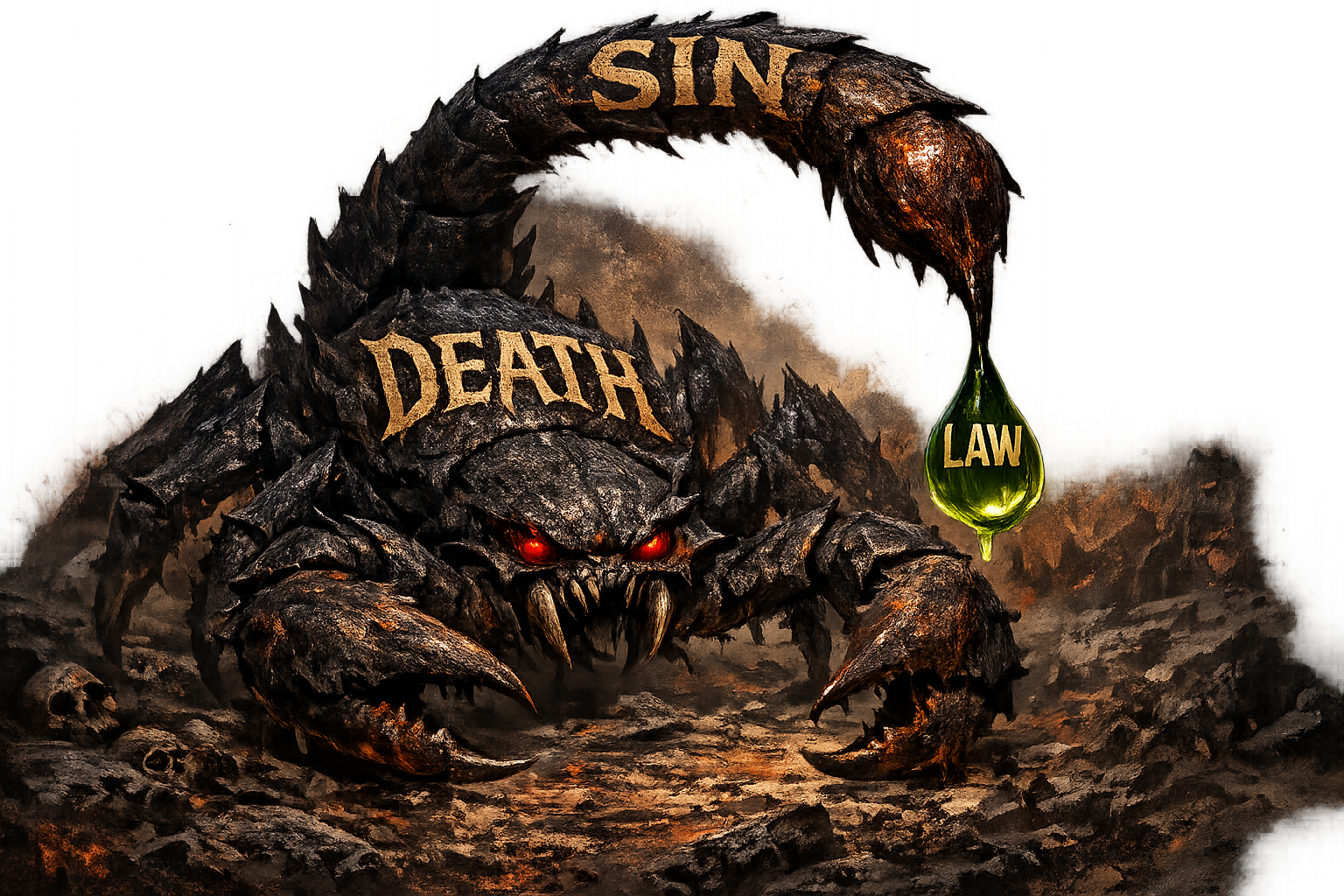
The sting of death is sin and the power of sin is the law
1 Corinthians 15:56
THE STING OF DEATH IS SIN
We had a question from Steve asking what this means:
The sting of death is sin, and the power of sin is the law – 1 Corinthians 15:56
When I first saw this verse I thought it should say "the sting of sin is death", not "the sting of death is sin."
I thought that because we sin, we die so therefore sin's power is death. So why does the Bible say the power of death is sin?
The writer, Paul, is making a precise argument. He is not having a casual conversation, but is trying to show us something important.
Paul isn't asking why is sin so terrible, he is talking about death. So he asks the question, "Why is death so terrible?"
Death isn't terrible because of the physical dying (although that is pretty scary), but because when we die we face the consequences of our sin. Our sin separates us from God.
God is the source of love and life and peace and joy. John, a friend of Jesus said God is light and there is no darkness in him. He also wrote God is love.
If sin separates us from God, then we are also separated from love and light and joy and peace. We are separated from everything that gives us hope. What is worse than death? Eternal separation from God.
Without sin, death would just be a transition from a physical life to a spiritual life. There is nothing scary about that; but because of sin, death dumps us into a place of eternal pain, sadness, regret and darkness. We are separated from everything truly desirable.
A bee's sting is what makes it dangerous. Sin is the sting that makes death dangerous. Without sin, it is just a transition. With sin it is a transition into something truly awful. That stings.
But death isn't the only problem Paul talks about in 1 Corinthians 15:56 ...
THE POWER OF SIN IS THE LAW
That is a strange thing to say. If God gave us the law, and the law is good, then why is the law giving power to sin? Why does the law of God give sin power over us?
The word sin comes from an archery term that means to miss the target. If I shoot at a target and miss, I have sinned. If there was no target, I could shoot anywhere I wanted and I would never miss. Why? Because if I am not aiming for something, I cannot miss. But, if I am aiming for something, and I don't hit it, I have sinned. I cannot sin, without a target.
Before the law was given by God, wrong doing existed. But if there is no law, you cannot arrest someone and charge them for breaking the law. Without a law people cannot break a law, so they cannot sin. They can do wrong but there is no consequence.
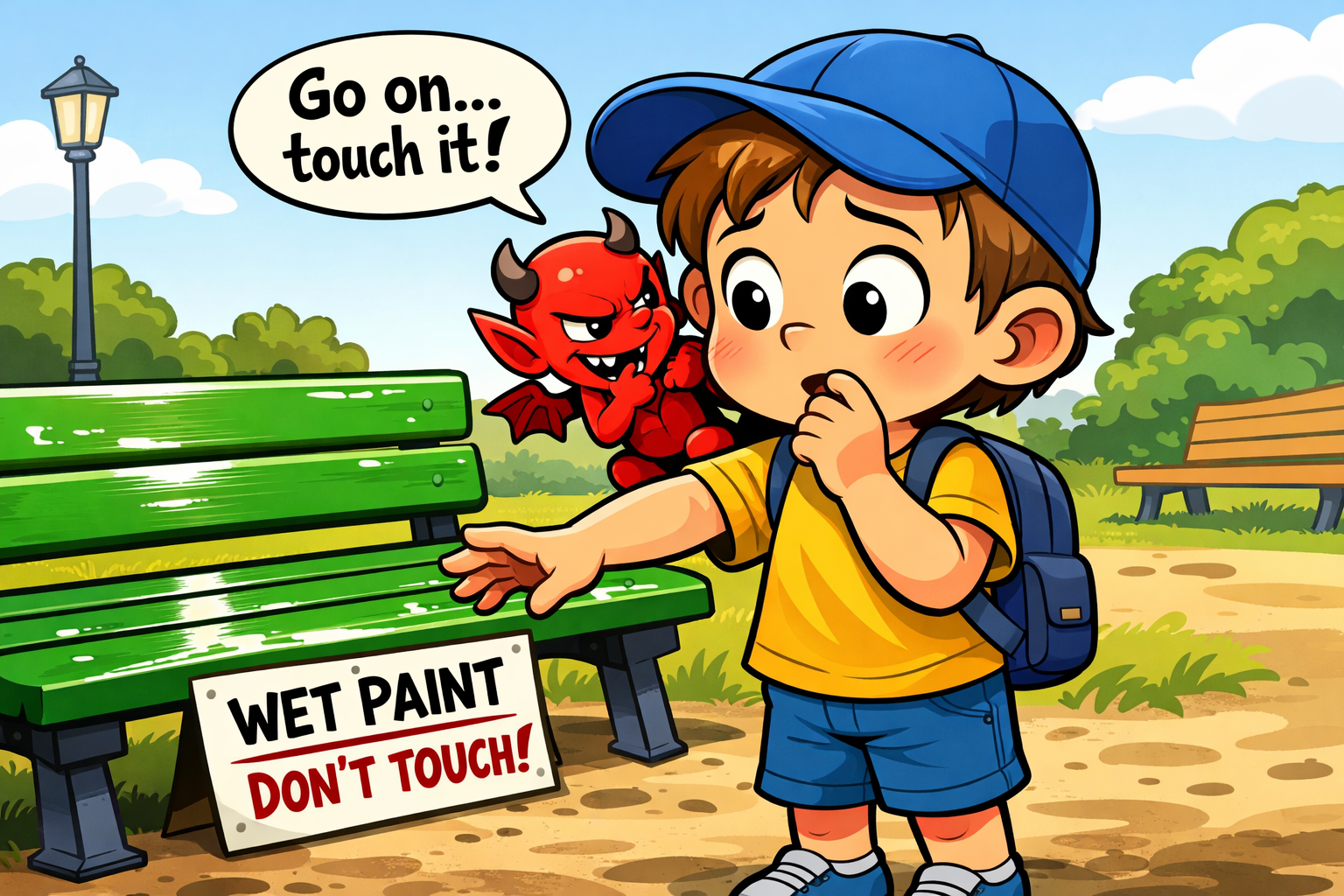
Something interesting happens when you introduce a law. People want to break it.
There is something in humans (Paul calls this the natural body or the sin body) that wants to rebel and break laws and rules.
If you tell a kid not to touch wet paint, they will almost every time. If you don't make that rule, they probably would ignore it.
Is the law bad because sin uses it to make us disobey God? No. The law tells us what is right and wrong but it is our own evil (bad) desires that make us want to do the wrong thing. The Bible says we are slaves to sin (Romans 6:16). We obey sin and cannot stop doing wrong.
So the sting of death is sin – death brings us to a place where the consequences of sin happen. We face the consequences of every law we have broken, every time we have rebelled against God, every wrong thing we have done.
The law describes what a good, clean, 'holy' life looks like. The law describes what we have to be like to get near God. The law shows we are guilty and deserve punishment – eternal death and separation from God.
But here is the good news:
Jesus took our punishment. Instead of our death delivering us to the consequences of sin, Jesus death delivered HIM to the consequences of OUR sin. He took our place. He took the punishment we deserve. This means when we die, there are no consequences left – we can be with God (if we accept what Jesus did for us) because He paid the price for our sin.
Jesus' death also covers our shame. This means we can stand before God, without shame, like children rushing to be with their Father, not afraid and ashamed (like Adam and Eve in the garden) but clean and holy. Made right with God.
That's why in the next line, 1 Corinthians 15:57, Paul writes:
Thanks be to God, who gives us the victory through our Lord Jesus Christ.